Late spring can feel like a tricky season when you live with Raynaud’s. Cool mornings, sudden air conditioning, and unexpected rain can catch you off guard, sparking uncomfortable flares. Knowing which Raynaud’s triggers to watch for this time of year helps you stay comfortable no matter where you are. Let’s look at simple, real-life ways to protect yourself and enjoy spring without the chill getting in your way. Learn more about managing Raynaud’s symptoms here.
Common Late Spring Raynaud’s Triggers
Transitioning into late spring means you need to be extra cautious with Raynaud’s triggers. Understanding these triggers helps you stay ahead and manage your symptoms effectively.
Cool Mornings and Damp Wind
Mornings can be deceiving. You might wake up to sunshine, but the air can still be chilly. This combination often leads to sudden Raynaud’s flares. You might feel a brisk wind hit your skin, causing an unexpected chill. To combat this, always keep a light jacket or shawl nearby. Wearing thin glove liners can also be a game-changer for your hands in the morning. You’ll find that dressing warmly, even when it doesn’t seem necessary, makes a big difference. A quick check of the weather forecast can help you plan your day better. Most people think they can tough it out, but staying prepared keeps you comfortable and flare-free.
Sudden Air Conditioning Exposure
Air conditioning is a lifesaver in hot weather, but it can be a hidden enemy for anyone with Raynaud’s. You walk into a store or an office, and suddenly, the temperature drops. This can lead to an immediate Raynaud’s episode. Keeping a thin sweater or cardigan in your bag can be a lifesaver. If you’re stepping into a heavily air-conditioned space, put on your extra layer. You might also consider carrying hand warmers. These small steps help you manage temperature changes throughout the day. It’s a simple solution, but it can prevent discomfort and keep your circulation steady.
Temperature Swings and Stress
Late spring can bring unpredictable climate shifts. One moment it’s warm and sunny, the next it’s cloudy and breezy. These fluctuations can trigger stress, which is another common cause of Raynaud’s attacks. Stress management is crucial. Regular deep breathing or a short walk can help calm your nerves. You might be surprised how effective these small practices are in reducing episodes. When you feel stress creeping in, remember these tips. Managing both temperature and stress leads to better control over your symptoms. By staying calm and prepared, you can make the most of your day without interruptions.
Easy Ways to Stay Comfortable
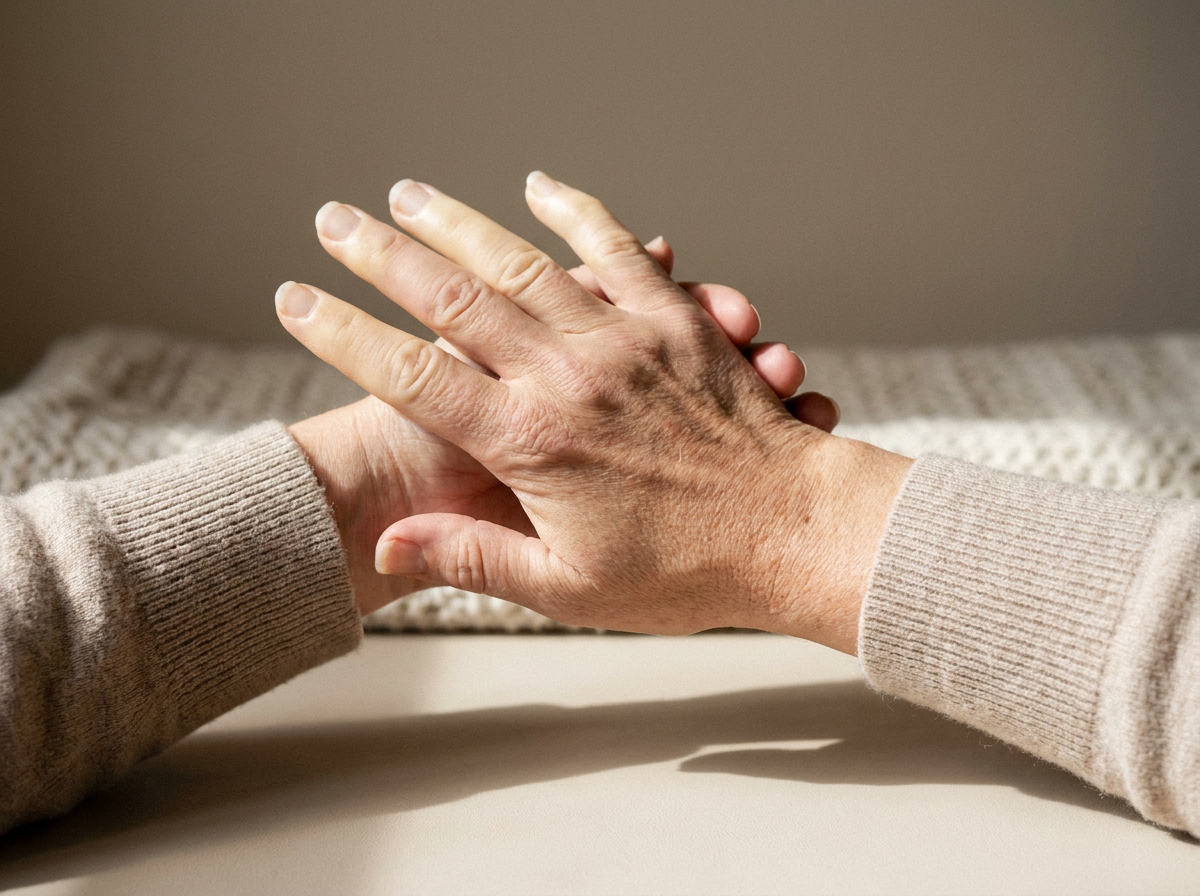
Now that you understand the triggers, let’s explore how to stay cozy and flare-free daily with simple strategies and practical tips.
Layering for Raynaud’s
Layering is your best friend in managing Raynaud’s. It’s not just about adding clothes; it’s about smart choices. Start with a base layer that wicks moisture, like Merino wool or synthetic fabrics. This keeps sweat away from your skin. Add a middle layer for warmth, such as a light fleece or thin down vest. Top it off with a shell to protect against wind and rain. This system allows you to adjust easily throughout the day. Have you tried using compression socks? They can support circulation, which is crucial for Raynaud’s. Make layering a habit. It’s not just about warmth; it’s about staying ready for whatever the weather throws your way.
AC Survival Tips
In spaces with air conditioning, having a plan is key. Keep a spare sweater at work or in your car. These layers can be just enough to maintain your comfort indoors. Consider placing a light shawl over your lap if you’re sitting for long periods. Most people overlook their feet, but wearing socks or closed shoes helps maintain warmth. Invest in a small personal heater for your workspace if possible. This creates a cozy micro-environment that feels just right. With these tactics, you can enjoy indoor activities without hassle.
Warm-Up Routine Essentials
Warming up isn’t just for athletes. A quick morning routine can set the tone for your day. Start with gentle arm circles and leg swings to boost circulation. You could also try a brisk walk or a few minutes of jumping jacks. These light exercises help keep your blood flowing. Do you have a favorite hot drink? Sipping warm tea or coffee not only energizes you but also promotes better circulation. Establishing a routine may feel unnecessary at first, but it builds resilience against Raynaud’s flares. Think of it as your daily shield against cold sensitivity.
Traveling with Raynaud’s Comfortably
Travel should be enjoyable, not stressful. With a little preparation, you can manage Raynaud’s while seeing new places and having fun.
Spring Travel Raynaud’s Checklist
Traveling in spring is all about balance. Pack layers that you can add or remove as needed. Don’t forget your hand warmers and thin glove liners. A small, portable blanket can be helpful for flights or long car rides. A travel-sized moisturizer keeps your skin from drying out. Most people think regular travel tips suffice, but these specific items make a big difference. They ensure you stay warm and comfortable, no matter the destination.
Rainy Day Comfort and Gear
Rainy days can be tricky, but they don’t have to stop you. Waterproof gear is essential: shoes, jackets, and even hats. Keeping dry is your first line of defense against Raynaud’s flares. On a rainy day, you might feel like staying indoors, but don’t let that limit you. With the right gear, you can enjoy the outdoors comfortably. Remember, staying active helps maintain good circulation. With proper planning, rainy days become an opportunity instead of an obstacle.
Stress Management and Circulation Support
Stress is a common trigger for Raynaud’s, so managing it is crucial. Practice deep breathing techniques or mindfulness exercises daily. These habits can lower stress levels and reduce the risk of flares. Carry a stress ball or use hand exercises while traveling. Movement is key to keeping blood flowing properly. A short walk or stretching session can make all the difference. Staying calm and active helps manage your symptoms effectively. With these strategies, you can embrace travel without worry.
😊
Remember, every step you take to manage your condition brings you closer to a comfortable and enjoyable experience, whether at home or on the go.