Raynaud’s in Mild Weather: Why Small Temperature Swings Can Trigger Flares—and What Helps
Small temperature changes can catch you off guard when you have Raynaud’s, even on mild days. A sudden breeze, stepping into shade, or the chill from air conditioning might trigger those uncomfortable flares you thought were behind you. In this post, you’ll find clear, practical tips to manage Raynaud’s mild weather challenges—at home, work, and while traveling—so you can stay comfortable no matter the season. For more information on managing Raynaud’s symptoms, you can visit this article.
Understanding Raynaud’s in Mild Weather

Knowing how Raynaud’s responds to slight weather changes is key to managing it. Even a mild drop in temperature can trigger symptoms that affect your daily comfort.
Small Temperature Changes Matter
Picture this: you’re enjoying a sunny day, and a light breeze sweeps through. Suddenly, your fingers feel cold and numb. This isn’t unusual for those with Raynaud’s. Your body can react to even small temperature shifts. It’s important to stay aware of these changes. Keeping track of weather forecasts or using a simple thermometer can help you prepare.
Common Raynaud’s Triggers
You might be surprised by what can set off a Raynaud’s episode. Everyday events like holding a cold drink, touching a frozen food package, or entering an air-conditioned room can prompt symptoms. Stress is another trigger, and it can sneak up on you. As you plan your day, try to minimize these triggers by staying warm and calm. For more on common triggers and how to avoid them, check out this resource.
Indoor Cold Exposure Tips
Being indoors doesn’t always mean warmth. Air conditioning or poorly insulated spaces can cause unexpected chills. Here’s a quick tip: keep a cozy sweater or blanket within reach. If your office or home tends to be cool, consider using space heaters. Small adjustments like these can make a big difference in how you feel daily.
Practical Strategies for Everyday Scenarios

Managing Raynaud’s in everyday life involves a few smart strategies. Let’s explore some simple adjustments to help you stay comfortable, no matter the scenario.
Layering for Raynaud’s Relief
Layering your clothing is essential for adapting to temperature changes. Start with a base layer that wicks moisture away from your skin. Add a middle layer for insulation and a top layer that protects against wind and rain. This approach allows you to customize your comfort. You can easily add or remove layers as needed throughout the day. By considering different fabrics and thicknesses, you can create a wardrobe that works for you in any weather.
Travel Tips for Raynaud’s
Traveling can be stressful with Raynaud’s, but it doesn’t have to be. Plan ahead to increase your comfort. Pack hand warmers or portable heat packs in your carry-on. If you’re flying, choose flights during warmer parts of the day when possible. Staying warm on the go requires some thought, but with the right preparation, you can enjoy your trip without discomfort. For more detailed travel tips, see this guide.
Managing Air Conditioning Challenges
Air conditioning can be a comfort in hot weather, yet it’s a common trigger for Raynaud’s symptoms. You can take control by positioning yourself away from direct airflow. Use a scarf or wrap to cover exposed skin, and keep hand warmers nearby for quick use. These small adjustments can help you stay comfortable indoors, even when the AC is blasting.
Empowering Lifestyle Adjustments
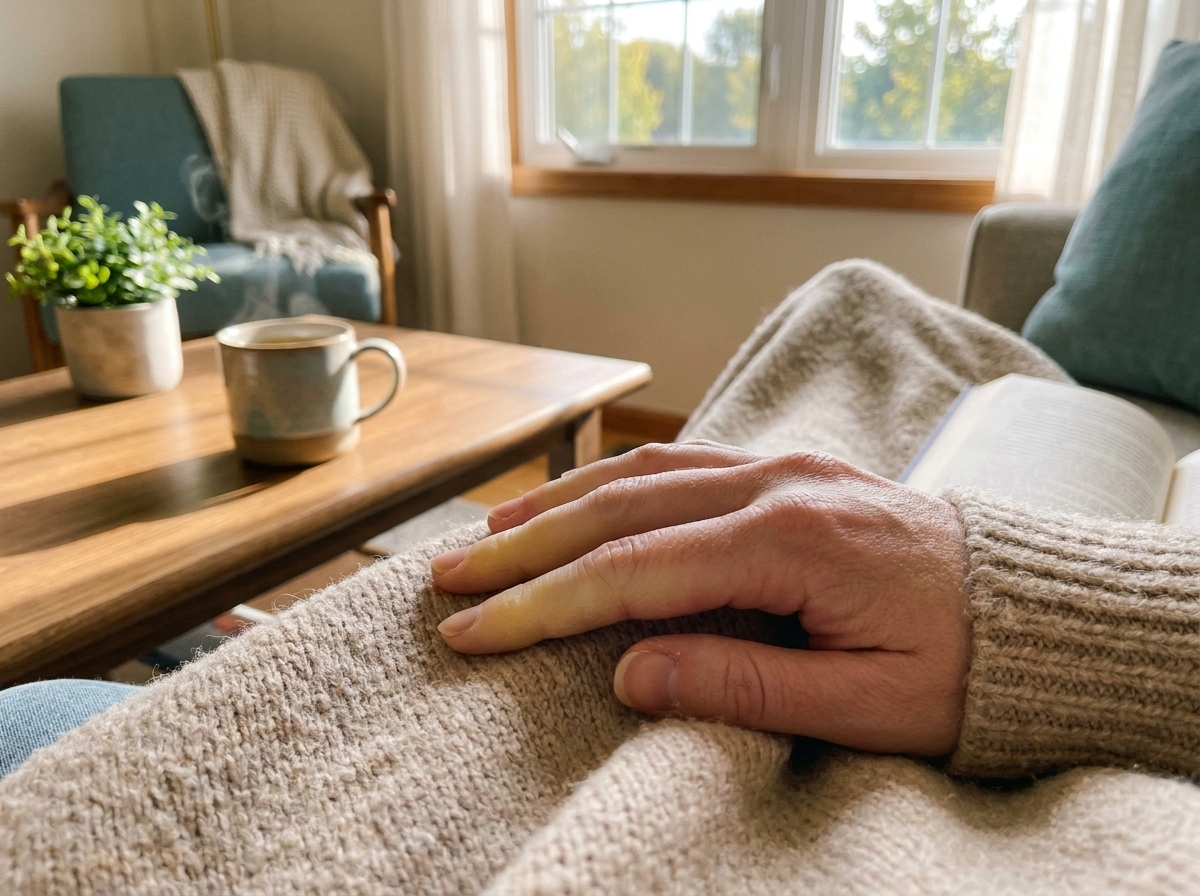
Empower your daily routine with practical lifestyle changes that can minimize Raynaud’s symptoms. Let’s look at some choices to keep you warm and comfortable.
Raynaud’s Friendly Clothing Choices
Choosing the right clothing can significantly impact your comfort. Opt for materials like wool or fleece, which trap heat effectively. Consider gloves with touchscreen capabilities so you don’t have to expose your fingers to the cold. Dressing in a way that suits your needs can provide relief and prevent unexpected flares.
Heat Packs and Hand Warmers
Heat packs and hand warmers are handy tools against the cold. These small items can be lifesavers when you’re caught in a chilly situation. Store them in your coat pockets or purse for easy access. They provide quick relief and help maintain warmth when you’re out and about.
Building a Raynaud’s Checklist
Creating a checklist can streamline your preparation and reduce stress. Include must-haves like gloves, scarves, and portable heat sources. Tailor your list to your lifestyle and keep it updated with new strategies that work for you. Having a go-to list ensures you’re always ready to tackle any temperature changes that come your way.
Incorporating these strategies into your routine can make a world of difference in managing Raynaud’s. Stay proactive, stay informed, and keep warm! For more resources, the NHS offers valuable advice on Raynaud’s management.